(H1) Types of Gabions in Civil Engineering: Choosing the Right Solution for Every Application
Gabions have evolved far beyond simple stone-filled cages, developing into specialized systems tailored for specific civil engineering challenges. Understanding the different types of gabions and their appropriate applications is crucial for engineers, contractors, and project managers seeking optimal solutions for erosion control, retaining structures, and environmental management.
(H2) 1. Basket Gabions: The Standard Workhorse
Description:
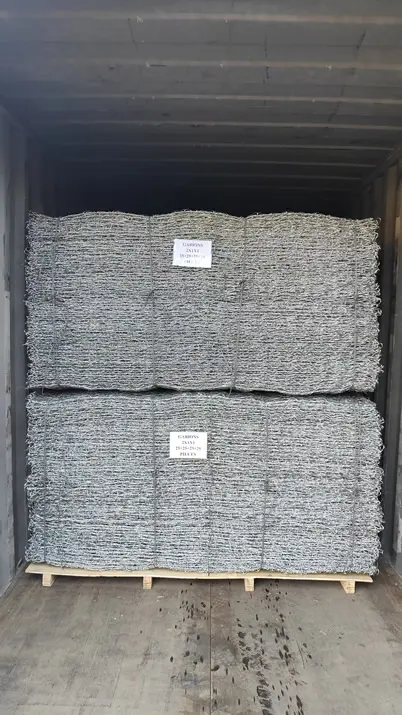
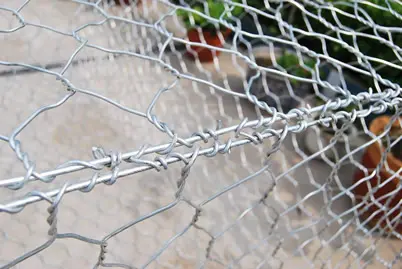
Basket gabions are the most common and widely recognized type, characterized by their rectangular box-like structure. Typically constructed with double-twisted hexagonal mesh, these versatile units form the backbone of many gabion applications.
Technical Specifications:
Dimensions: Standard sizes range from 1m×1m×1m to 3m×1m×1m
Mesh Type: Double-twisted hexagonal or welded mesh
Internal Features: Often include diaphragms at 1m intervals for stability
Wire Coating: Galvanized, Galfan, or PVC-coated depending on environment
Primary Applications:
Retaining walls for roads and railways
Bridge abutments and wing walls
Landscaping walls and architectural features
River training works and bank protection
Advantages:
Proven reliability with extensive technical data
Easy to transport and assemble on site
Suitable for both structural and aesthetic applications
Widely available from multiple manufacturers
(H2) 2. Reno Mattress Gabions: The Wide-Area Solution
Description:
Reno mattresses are shallow, wide gabions with heights typically ranging from 0.15m to 0.3m. Their low profile makes them ideal for covering large areas while conforming to ground contours.
Technical Specifications:
Height Range: 0.17m, 0.23m, 0.30m (most common)
Width Standards: Typically 2m wide panels
Length Options: 2m to 6m standard lengths
Internal Partitions: Diaphragms every 1.0m for stability
Primary Applications:
Channel lining and river bed protection
Slope revetment and erosion control
Coastal protection works
Dam face protection and spillways
Advantages:
Excellent conformity to irregular surfaces
Cost-effective for large area coverage
Rapid installation compared to taller structures
Minimal visual impact in natural settings
(H2) 3. Sack Gabions: The Flexible Rapid-Response Solution
Description:
Sack gabions are cylindrical, flexible containers that can be quickly filled and positioned. Their unique shape allows for versatile placement in challenging conditions.
Technical Specifications:
Shape: Cylindrical with variable diameters
Length: Typically 2m to 4m long
Diameter: Ranges from 0.5m to 1.0m
Closure Systems: Steel rings or wire tying
Primary Applications:
Emergency flood control and bank repair
Foundation protection for bridge piers
Outlet protection for culverts and pipes
Temporary erosion control during construction
Advantages:
Rapid deployment in emergency situations
Conforms to irregular shapes and surfaces
Easy handling with minimal equipment
Can be pre-filled or filled in position
(H2) 4. Welded Mesh Gabions: The Architectural Choice
Description:
Welded mesh gabions feature wires welded at each intersection, creating rigid panels that maintain precise dimensions. This type offers superior aesthetic control for architectural applications.
Technical Specifications:
Mesh Type: Electrically welded square or rectangular mesh
Panel Rigidity: Maintains exact dimensions under load
Surface Finish: Clean, uniform appearance
Aperture Sizes: Typically 50mm×50mm to 100mm×100mm
Primary Applications:
Architectural walls and landscape features
Noise barriers along highways
Decorative retaining walls
Security and perimeter fencing
Advantages:
Precise, uniform appearance
Clean lines for architectural applications
High strength-to-weight ratio
Suitable for precise stone placement
(H2) 5. Decorative Gabions: The Aesthetic Specialist
Description:
Decorative gabions prioritize visual appeal while maintaining structural functionality. They often feature specialized materials and design elements for architectural integration.
Technical Specifications:
Mesh Options: Fine mesh (25mm×25mm to 50mm×50mm)
Frame Systems: Stainless steel or powder-coated frames
Special Features: Lighting integration, planting pockets
Material Variety: Colored stones, glass, wood, or recycled materials
Primary Applications:
Feature walls in commercial landscapes
Interior design elements
Hotel and resort landscaping
Public art installations
Advantages:
Unlimited design possibilities
Integration with other materials
Enhanced visual appeal
Customizable for specific projects
(H2) 6. Terramesh® System: The Integrated Solution
Description:
The Terramesh system combines face gabions with soil reinforcement in a single integrated unit. This specialized system provides both facing and reinforcement functions.
Technical Specifications:
Structure: Gabion face with extending reinforcement mesh
Height Range: Up to 10m or more with proper design
Reinforcement: High-tensile steel mesh layers
Connection: Integral connection between face and reinforcement
Primary Applications:
Reinforced soil retaining walls
Steep slope stabilization
Land reclamation projects
Infrastructure embankments
Advantages:
Single-source responsibility for facing and reinforcement
Cost-effective for tall structures
Rapid construction with minimal formwork
Excellent durability and performance
(H2) 7. Rockfall Mesh: The Protective Barrier
Description:
Rockfall mesh systems are engineered specifically for intercepting and containing falling rocks on slopes. These high-strength systems combine flexibility with impact resistance.
Technical Specifications:
Mesh Strength: High-tensile steel wire (1770-2200 MPa)
Aperture Sizes: Typically 80mm×100mm to 100mm×120mm
Support Cables: Steel rope borders for energy distribution
Energy Capacity: Rated from 100 kJ to 5000 kJ impact resistance
Primary Applications:
Rockfall protection along highways and railways
Slope stabilization in mountainous terrain
Quarry and mine safety systems
Protection of infrastructure in hilly areas
Advantages:
Certified impact resistance ratings
Flexible installation conforming to terrain
Minimal environmental disturbance
Long service life with proper maintenance
(H2) Selection Guidelines by Application
For Retaining Walls:
Primary Choice: Basket gabions (1m-4m height)
Secondary Option: Terramesh system (>4m height)
Consider: Welded mesh for architectural projects
For Erosion Control:
Channel Protection: Reno mattresses
Bank Protection: Basket gabions
Emergency Repair: Sack gabions
For Architectural Applications:
Precision Work: Welded mesh gabions
Design Features: Decorative gabions
Budget Projects: Standard basket gabions with selected stone
For Rockfall Protection:
Active Protection: Rockfall mesh systems
Passive Protection: Heavy basket gabions
Slope Stabilization: Combination systems
(H2) Technical Comparison Table
| Gabion Type | Max Height | Typical Use | Cost Factor | Installation Speed |
|---|---|---|---|---|
| Basket Gabions | 4-6m | Retaining walls | 1.0 (baseline) | Medium |
| Reno Mattresses | 0.3m | Slope protection | 0.7 | Fast |
| Sack Gabions | Variable | Emergency works | 0.8 | Very Fast |
| Welded Mesh | 3-4m | Architectural | 1.3 | Medium-Slow |
| Terramesh System | 10m+ | Reinforced walls | 1.1 | Fast |
| Rockfall Mesh | N/A | Slope protection | 1.5 | Medium |
(H2) Emerging Trends and Future Developments
Hybrid Systems:
Combination with geosynthetic reinforcements
Integration with vegetation (green gabions)
Smart gabions with monitoring sensors
Material Innovations:
Advanced coating technologies for longer life
Recycled material gabions for sustainability
Composite materials for specialized applications
Design Evolution:
Computer-optimized structures
Prefabricated modular systems
Custom engineering for specific site conditions
Understanding the different types of gabions and their specific applications enables engineers to select the most appropriate solution for each project requirement. From standard basket gabions for routine retaining walls to specialized rockfall mesh for mountain protection, the versatility of gabion systems continues to expand, offering sustainable, cost-effective solutions across the civil engineering spectrum.
Consult with gabion specialists and engineers to determine the optimal gabion type for your specific project conditions, ensuring both technical performance and economic efficiency

ANPING YUELIAN WIRE MESH CO.,LTD.
+86 13363336085
yxgabion@163.com
NO.5 WEIYI ROAD,ANPING HIGH-TECH INDUSTRIAL DEVELOPMENT ZONE,ANPING,HENGSHUI,HEBEI,CHINA
For inquiries about our products or pricelist, please leave your email to us and we will be in touch within 24 hours.
INQUIRY NOW